
by Maran Fazzi
I am Maran Fazzi, a medical doctor from the Netherlands, specialised in Global Health and Tropical medicine. I currently work at Endulen Hospital, which serves the people—predominantly Maasai—living in the Ngorongoro Conservation Area in Tanzania. Alongside my clinical work, I am an expedition medic and a course director for the WLS:MP course (formerly AWLS), and I have completed a mountain medicine course in Austria.
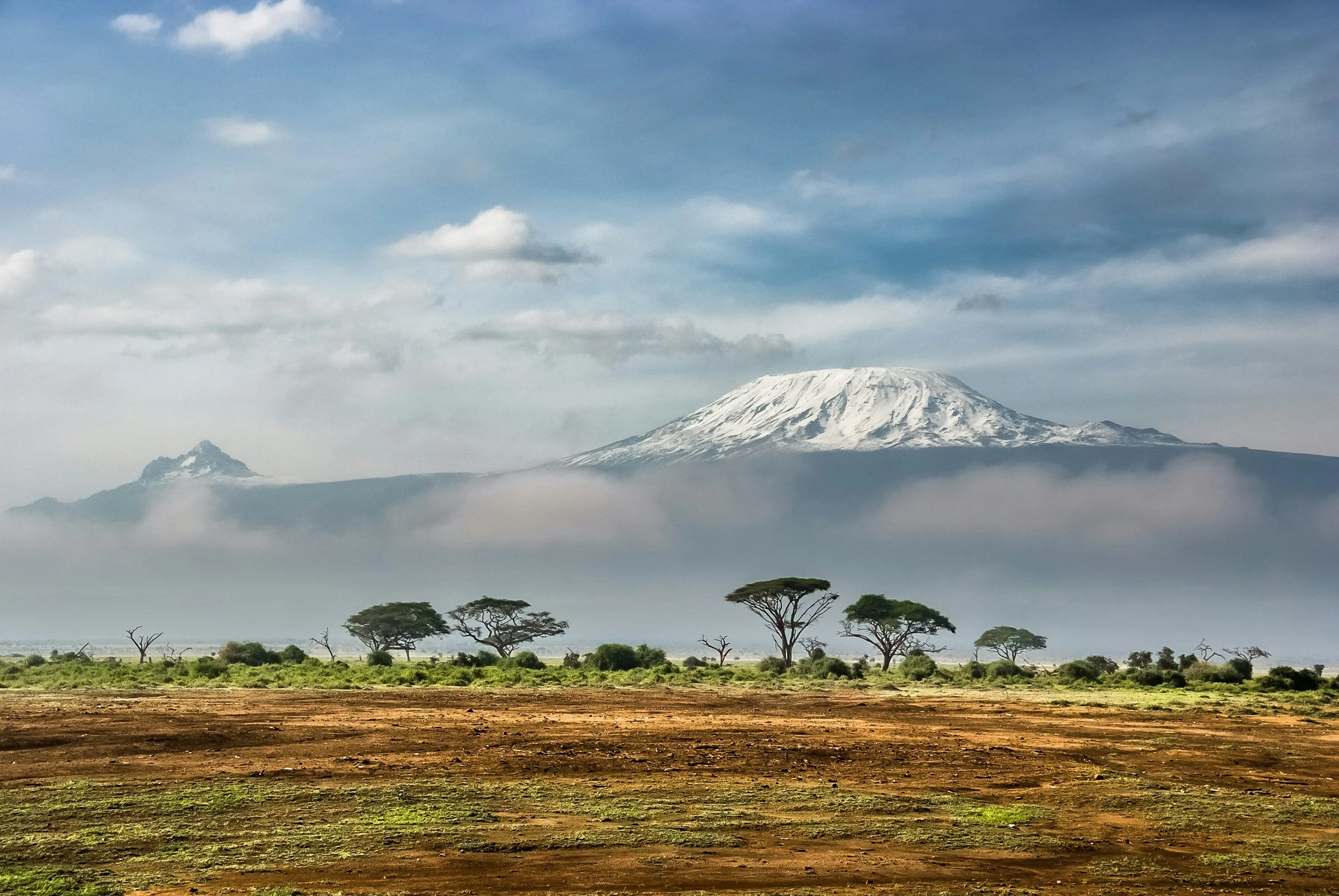
Since I love combining global health with expedition medicine, enjoy being in the mountains and considering that I currently live in Northern Tanzania and speak Swahili; a choice was easily made; I wanted to join a mount Kilimanjaro summit trip as a medic. After speaking to colleagues who previously joined one of these trips, I was introduced to Charity Challenge. I signed up, and a few months later I received the exciting news that I had been selected as a volunteer medic.
In preparation for the trip, I listened to a podcast on being a medic on Kilimanjaro, revisited the altitude medicine chapters in Auerbach’s Wilderness Medicine and adjusted my physical training to focus more on leg strength, core stability, and cardiovascular fitness. The organisation provided a medical kit and I received the full equipment list in advance, along with a detailed risk assessment, evacuation procedures, and participant medical summaries. I reviewed all of these carefully, paying particular attention to pre-existing conditions related to exercise and altitude, and identified no major concerns ahead of the climb.
With a group of 42 participants, the organisation arranged for two volunteer doctors. I was fortunate to work alongside an experienced colleague who had summited Kilimanjaro three times before. As an added bonus, he was from the Dutch-speaking part of Belgium, which meant we could communicate easily in our shared native language.
One requirement for volunteering was having appropriate medical indemnity insurance. Finding coverage as a non-UK doctor working short-term in a remote, high-altitude environment in Tanzania proved challenging at first. Eventually, I received the golden tip to contact Endeavour Medical, who were able to arrange everything efficiently.
This was going to be my first time climbing Kilimanjaro and it was going to be a new personal altitude record for me (5,895 m). Previously, I had reached 5,300 metres in the Indian Himalayas without using prophylactic acetazolamide and without experiencing any symptoms of altitude sickness apart from periodic breathing at night. While I suspected I could climb Kilimanjaro without medication as well, I decided I would take medication to minimise my chances of getting sick because of my responsibility for the wellbeing of other people. I therefore used prophylactic acetazolamide and experienced minimal side effects.
I was grateful to be able to join the summit push and reach Uhuru Peak. We encountered several serious medical cases, so I was glad that the trip itself was not very physically or mentally challenging for me, leaving me with enough energy to care for others.
In the end, everybody got safe back down and that should always be the first goal.
Maran Fazzi