
by Elspeth Pitt
Opwall takes senior school children and university students to participate in conservation and biodiversity research programmes around the world. In their more remote sites, such as Indonesia, Honduras and Madagascar, a medic is included as part of their site staff. Opwall has been running its programmes for 30 years and is well established at many of its sites, meaning the infrastructure, risk assessments, medical equipment and evacuation plan are all well-developed – a real asset for new (and not-so-new) Exped Medics, as your role is simply clinical with the hard work already done.
In terms of preparation for the expedition I found they were well organised. As an experienced medic (but new to Opwall) I was reassured by the level of information and training before I departed. There was an in-person training day for medics, an online training meeting with site staff, lots of pre-expedition reading and training videos. I was sent the participants’ medical details and invited to ask for more information if I felt that was needed (I didn’t). Other pre-reading included the site risk assessments, evacuation plans, medical inventory, clinical guidelines and the anonymised medical record from the previous season. All this (as well as a detailed packing list) made me well prepared for my role on arrival.
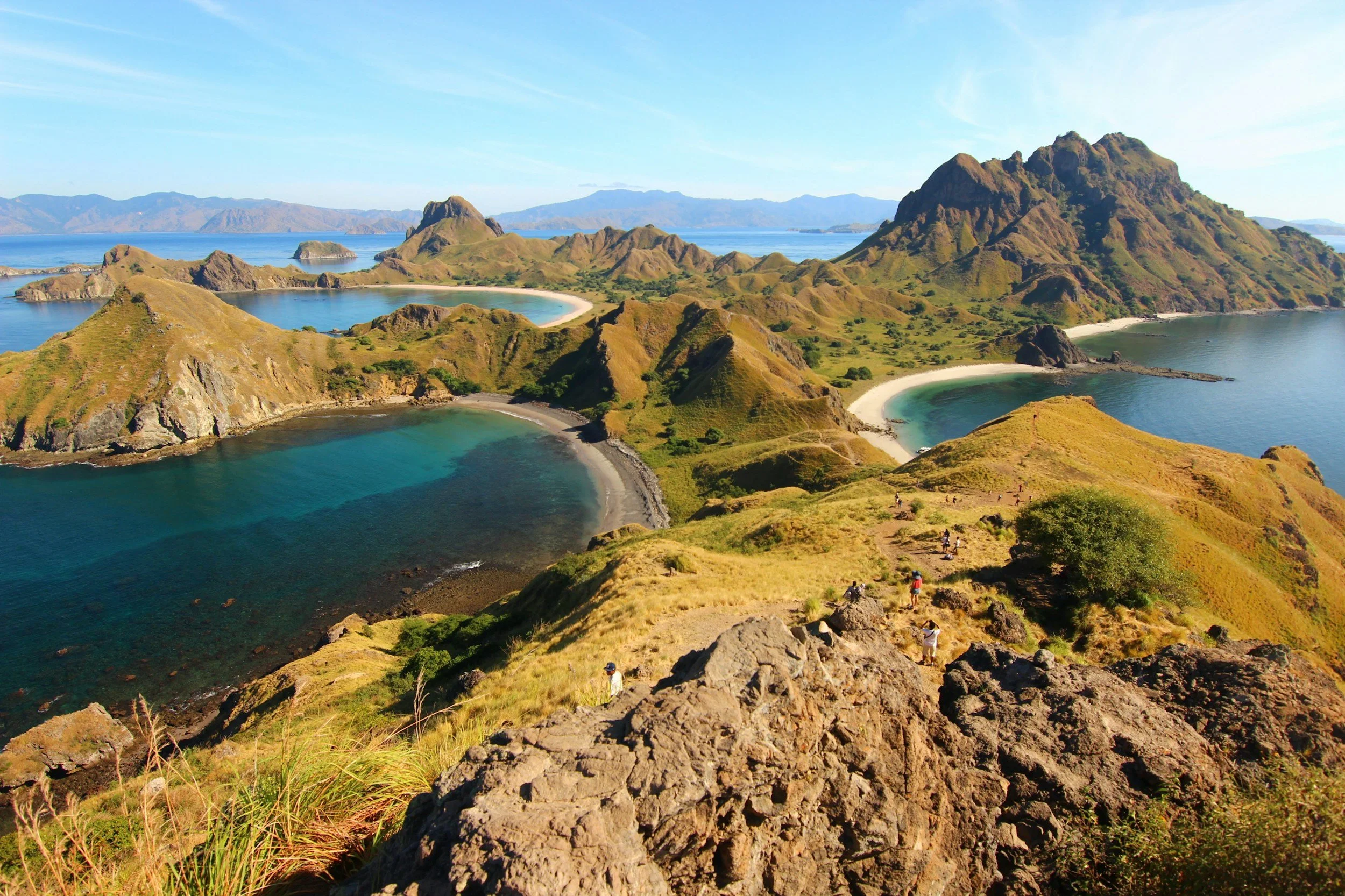
Once in country, my first task was to review the medical inventory – checking any deficiencies, expired kit and ensuring it was all working. Next priority was to carry out staff training such as pressure bandage immobilisation for snake bite and evacuation of a patient from the survey site back to base camp. Other important ongoing duties included sanitation and hygiene practices at the camp, monitoring kitchen practices, overseeing the cleaning of camp every week at changeover and providing the health and safety briefing when each new group arrived.
In terms of the clinical work, it was predictably primary care – dermatology, ENT, gastroenteritis and low-level mental health. In the rare event of emergency requiring evacuation, your role is to deliver patient care; the site and country manager arrange the evacuation logistics. Opwall has developed really useful clinical guidelines and proformas for assessment and management of snake bites, rabies and decompression illness. The medical kit is fairly comprehensive and you can review it before going out, advising of any changes you would make. It had items such as analgesics, including Penthrox, snake bandages, antibiotics and wound dressings. At the end of the season/expedition you have to review the inventory to identify all out of date and broken or used up kit and provide feedback to the site manager.
From my time in Indonesia the personal items I took that served me well include:
An umbrella (yes really! Nipping to the toilet in the middle of the night can be much easier and waterproofs sometimes just aren’t enough against tropical downpours. Also trying to write data on a sheet of paper in the forest is easier under an umbrella).
Enough antihistamine tablets and hydrocortisone cream to last your whole stay – the mosquitos can bite through clothing and are very itchy!
Spray on plaster and antiseptic wound spray – both useful in the humid, infection-loving environment.
Enough antifungal talc to use every day.
If not on the med list, consider taking a combat application tourniquet.
Silica gel sachets to keep your stuff dry and stave off mould (although some airport scanners detect the silica ions, so if wearing clothes or shoes that have been stored with the silica packs on your journey home - do air them first!).
Finally, locate the closest source of antivenom and rabies vaccine – that might not be as obvious as you think and may require a bit of research. But really, mostly what you do is primary care, sanitation and hygiene and it is lots of fun being part of the staff scientific team participating in the fieldwork. I highly recommend it.
Elspeth Pitt