
Rabies: Cute, but Deadly
Written by Endeavour Fellow Lara Lastrucci
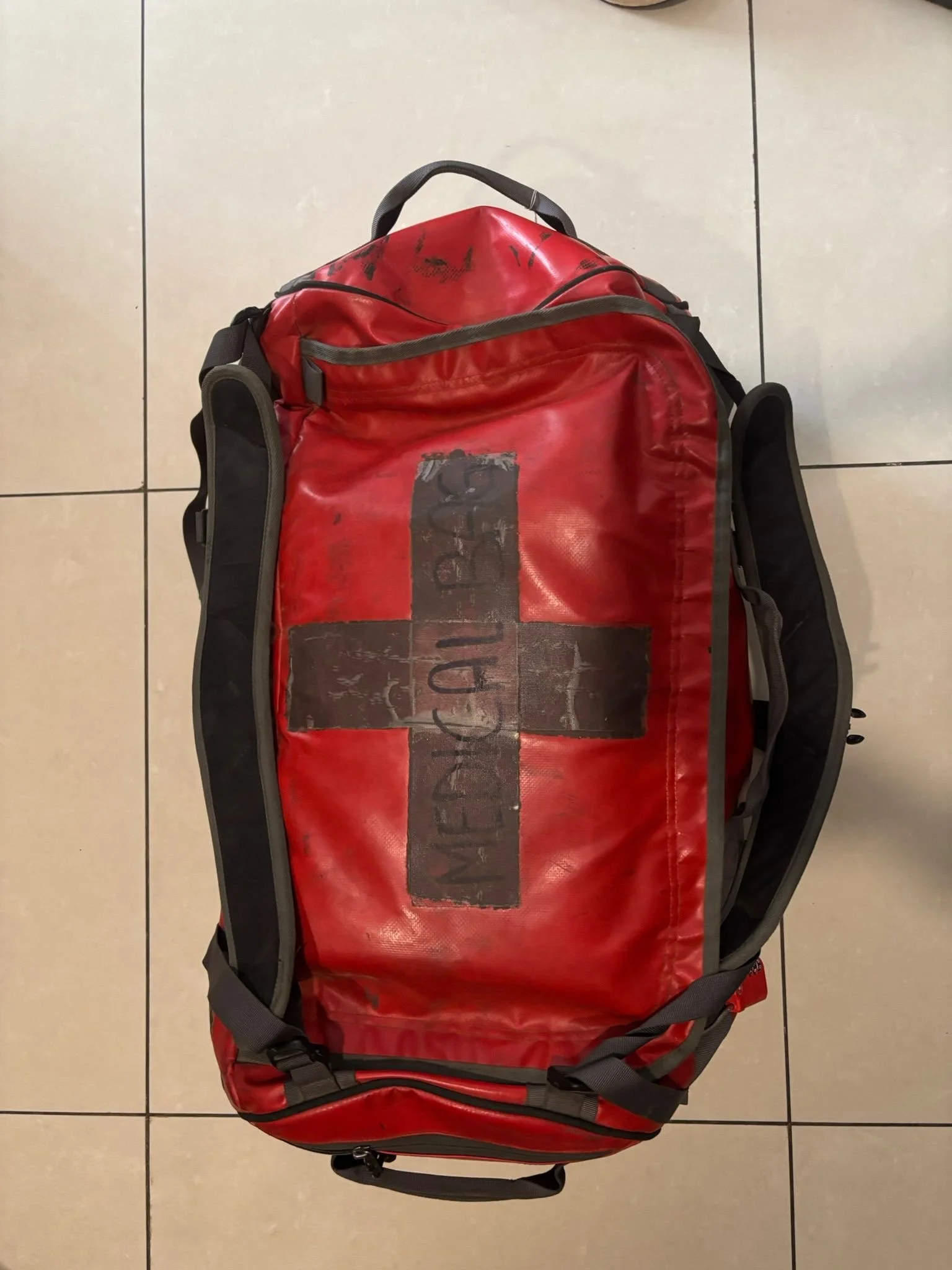
I’m an advanced clinical practitioner in emergency medicine in the UK and recently had the pleasure to work as an expedition medic for a global cycling company in Madagascar.
Before embarking on the trip, all my clients were pre-screened by their GPs in their own countries, and I met them 2 days before the actual start of the tour to do a final pre- We discussed their past medical history, drug history and vaccination status. While many were well-prepared for diseases like malaria, typhoid, and hepatitis A, I was struck by how few were informed—or even concerned—about rabies.
This blog piece comes from the recognition of the significant gap in awareness that was, for me, concerning during my recent expedition; and more broadly, it underscores the persistent underestimation of rabies as a global public health threat.
Furthermore, the recent tragic case involving the death of a British citizen, reportedly following a minor scratch from a puppy, highlights the critical need for improved public health education, awareness of rabies transmission risks, and proactive prevention strategies to reduce the incidence of such preventable fatalities.
🦠 The virus
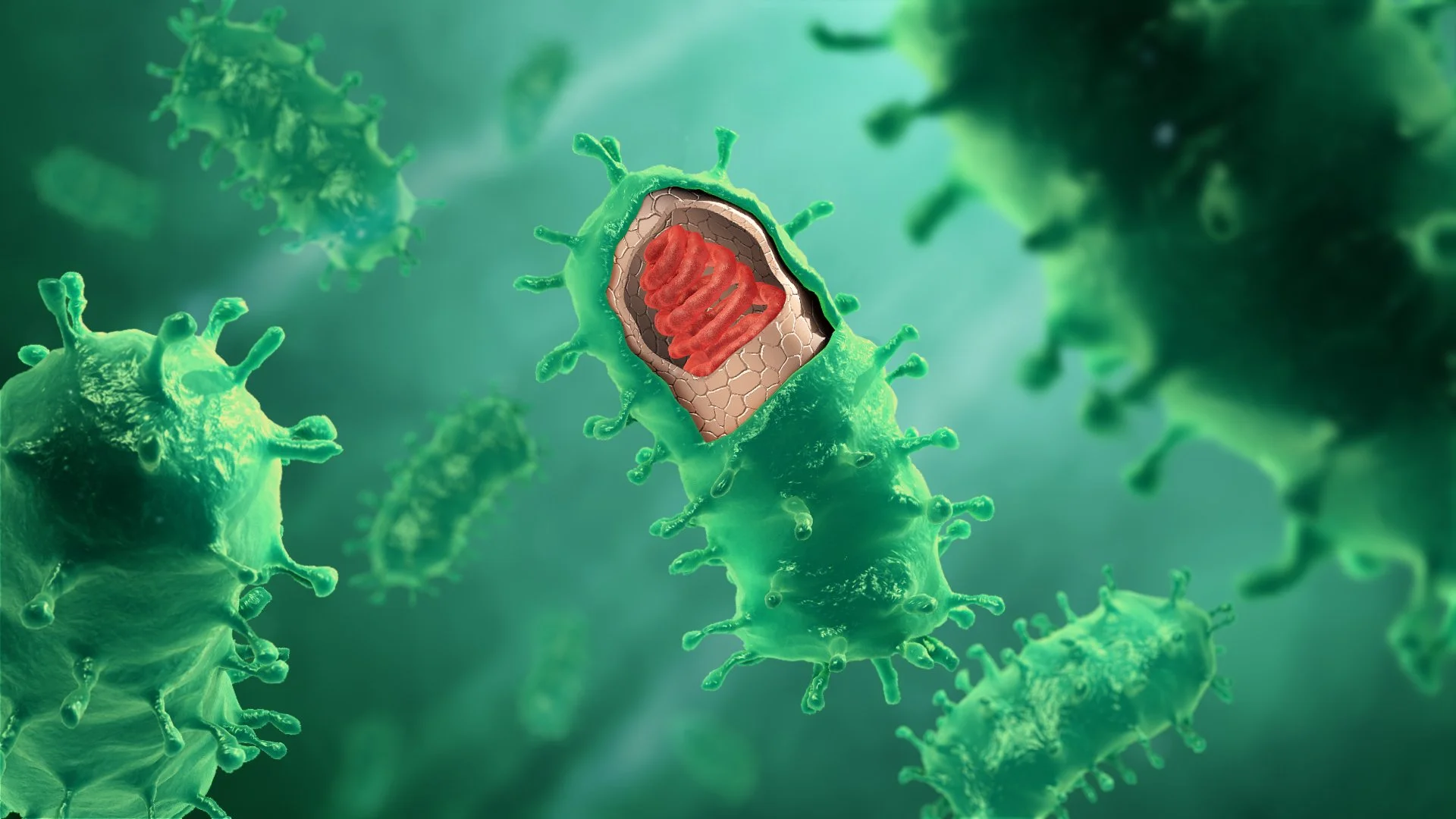
Rabies is a viral zoonotic encephalitis caused by a lyssavirus infection. It primarily targets the central nervous system and is almost always transmitted via the bite or scratch of an infected animal. It is also transmitted when saliva from an infected animal comes into contact with broken skin or mucous membranes. In up to 99% of human cases, dogs are the source.
It is considered by the World Health Organisation a Neglected Tropical Disease that causes ten of thousand deaths globally, with children between 4-12 being most affected by the rabies virus.
Symptoms typically appear between 3 to 12 weeks after exposure but can show up as early as a few days or as late as months—or even years. Early signs include:
· Tingling or numbness at the wound site
· Hallucinations
· Extreme anxiety or hyperactivity
· Difficulty swallowing or breathing
· Paralysis
· Hydrophobia, aerophobia
Once symptoms appear, rabies is invariably fatal.
🧬 Why the Risk Is Overlooked
There are probably few reasons for that can explain why people generally tend to overlook the vaccine for rabies. It doesn’t seem to become a priority on peoples’ pre-travel ‘to-do’ list.
1. Lack of awareness
2. Outdated perception: Many associate rabies solely with visibly aggressive, foaming-at-the-mouth stray dogs. This dangerous misconception overlooks the fact that even a seemingly harmless, friendly puppy can transmit the virus. Such misinformation causes the public to underestimate the true risk of exposure through seemingly innocuous contact.
3. Cost of the vaccines: The pre-exposure rabies vaccine requires multiple doses over several weeks and can be expensive.
4. Time constrains: Last-minute travel plans often leave little time for completing the full vaccination course.
5. Not understanding of the post exposure treatment: some believe that if they are exposed, they can easily get treatment afterward; however, this can be challenging in very remote environment.
There are currently no diagnostic tests available to detect rabies infection in humans before symptoms appear. However, prompt and proper wound care, timely administration of rabies immunoglobulin (RIG), and correct use of modern rabies vaccines after exposure are highly effective in preventing the onset of rabies symptoms in nearly all cases.
Pre‑exposure vaccination remains low (under 10%) among UK travellers to high‑risk countries; while each year, around 1,000 people in the UK seek post‑exposure prophylaxis (PEP) after animal bites or scratches after having travelled and returned to UK.
Between 2000 and 2024, there were six cases of human rabies in the UK linked to animal exposures abroad. That’s six lives lost to a preventable disease.

✅ What to do
For anyone who is traveling to a country with a high rabies risk, it’s essential to:
· Consult a medical professional or travel clinic well in advance of departure.
· Check the official country risk list for rabies: Rabies risks in terrestrial animals by country (UK Government)
· Plan ahead to complete the vaccine series if possible, or know where to find a clinic abroad. The ISTM Global Travel Clinic Directory can help locate reputable providers internationally.
Rabies remains a serious and often underestimated global health threat. It demands greater awareness, education, and proactive prevention. Understanding the risks and taking appropriate precautions can save lives.

References
· Agency, U.H.S. (2025) Rabies case confirmed following contact with Animal Abroad, GOV.UK. Available at: https://www.gov.uk/government/news/rabies-case-confirmed-following-contact-with-animal-abroad
· Rabies, World Health Organization. Available at: https://www.who.int/news-room/fact-sheets/detail/rabies
· Agency, U.H.S. (2024) Rabies risks by country, GOV.UK. Available at https://www.gov.uk/government/publications/rabies-risks-by-country
·Rabies NaTHNaC - Rabies. Available at: https://travelhealthpro.org.uk/factsheet/20/rabies
